Student Medical Center
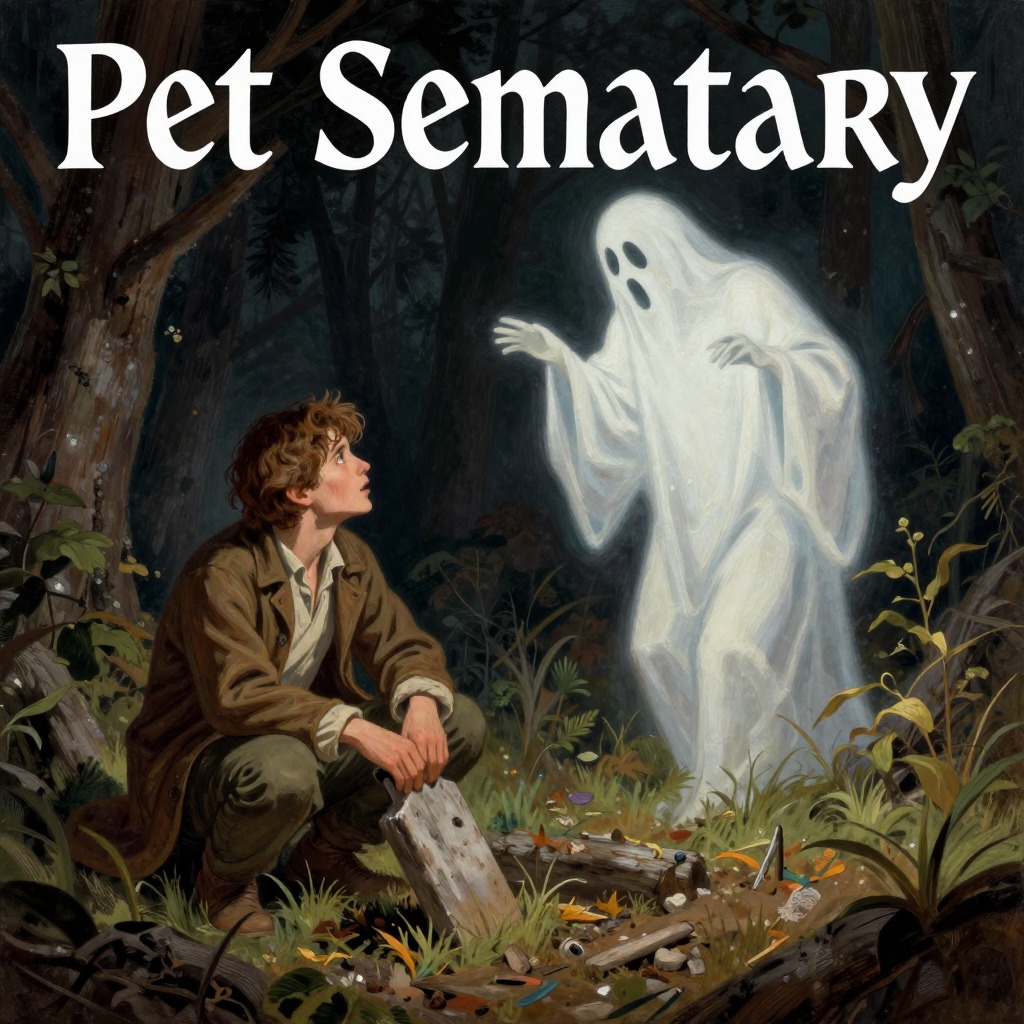
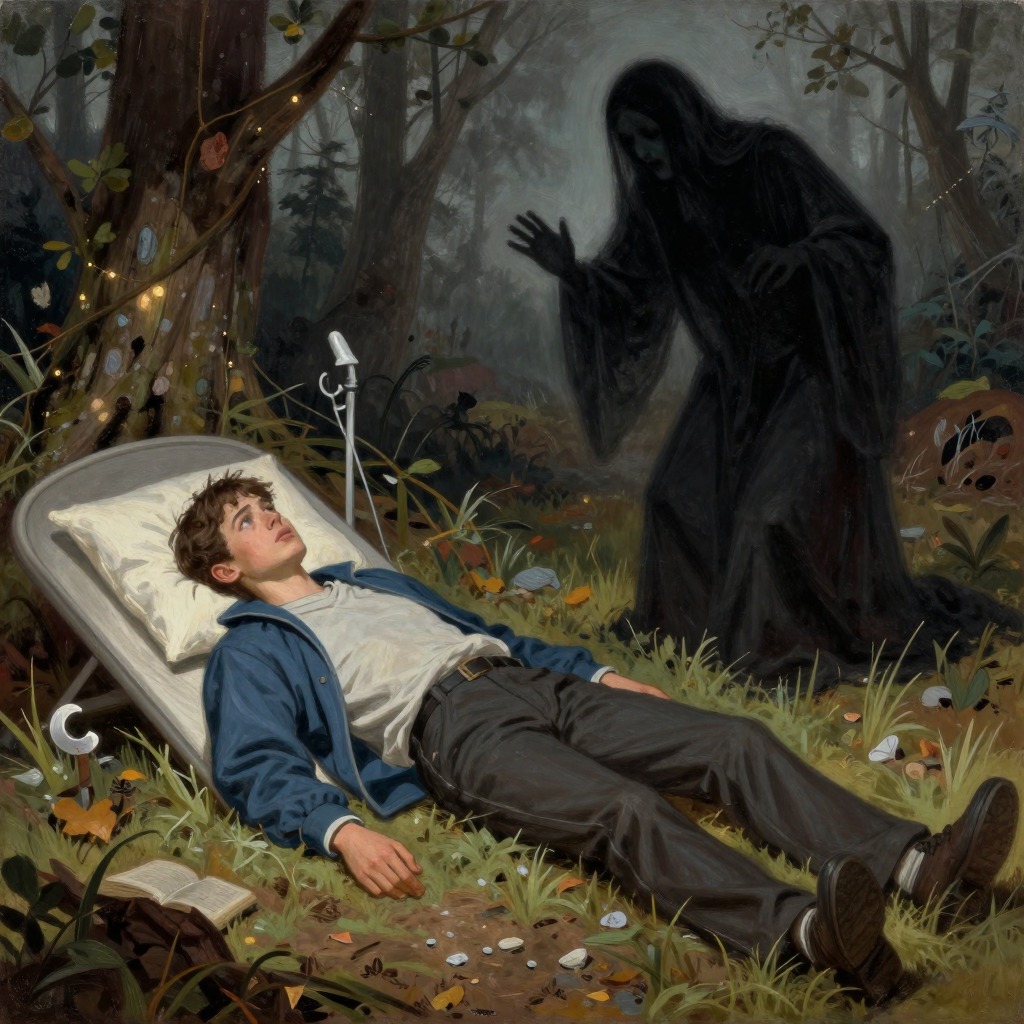
The Student Medical Center at the University of Maine at Orono is the campus infirmary where Louis Creed assumes the role of director at the start of the novel. It is a well-equipped facility with three examination-and-treatment rooms, two fifteen-bed wards, and an ambulance for serious cases, but it lacks an operating theater. The center is staffed by a physician's assistant, Steve Masterton, and a head nurse, Joan Charlton, a graying but lithe woman of about fifty who is known for her cynical but competent demeanor. Louis's first day on the job is marked by the arrival of Victor Pascow, a student who has been struck by a car and is brought in dying. The center's ambulance is out of service due to a radiator leak, forcing Louis to call Campus Security for transport. The waiting room becomes a scene of chaos as blood soaks the green carpet, and the two candy-stripers on their first day are overwhelmed. Louis attempts CPR but quickly realizes Pascow's injuries are fatal: half his head is crushed, his neck broken, and his brain visible through a shattered section of skull. In his dying moments, Pascow speaks to Louis, uttering the words "In the Pet Sematary" and "The soil of a man's heart is stonier, Louis," a moment that deeply unsettles the doctor and foreshadows the novel's central horrors. The incident leaves Louis shaken, and he later experiences a vivid dream in which Pascow's ghost leads him to the Pet Sematary, warning him not to go beyond the deadfall. The center also serves as a backdrop for Louis's professional life, where he treats students for flu, hangovers, and other ailments, and where he later struggles with the aftermath of his son Gage's death. The carpet in the waiting room must be replaced after Pascow's death, a mundane reminder of the tragedy that has occurred there. The center is a place of medical rationality that is repeatedly confronted by the irrational and the supernatural, from Pascow's cryptic deathbed words to Louis's own descent into madness. It is where Louis first encounters the limits of his medical knowledge and where the seeds of his obsession with death and resurrection are planted. The center's routine operations—treating hypochondriacs, dispensing medication, and managing the front file of students with chronic conditions—stand in stark contrast to the extraordinary events that unfold around it. Louis's role as a doctor is central to his identity, and the center is the stage on which his professional competence is both demonstrated and undermined. The death of Pascow is a pivotal event that haunts Louis throughout the novel, and the center is the site of this haunting's origin. The center is also where Louis later receives the news of his son's death, further cementing its role as a place of trauma and loss. The Student Medical Center is thus not merely a setting but a symbol of the tension between scientific understanding and the inexplicable forces that govern life and death in the world of the novel.